🏙️
Urban Areas
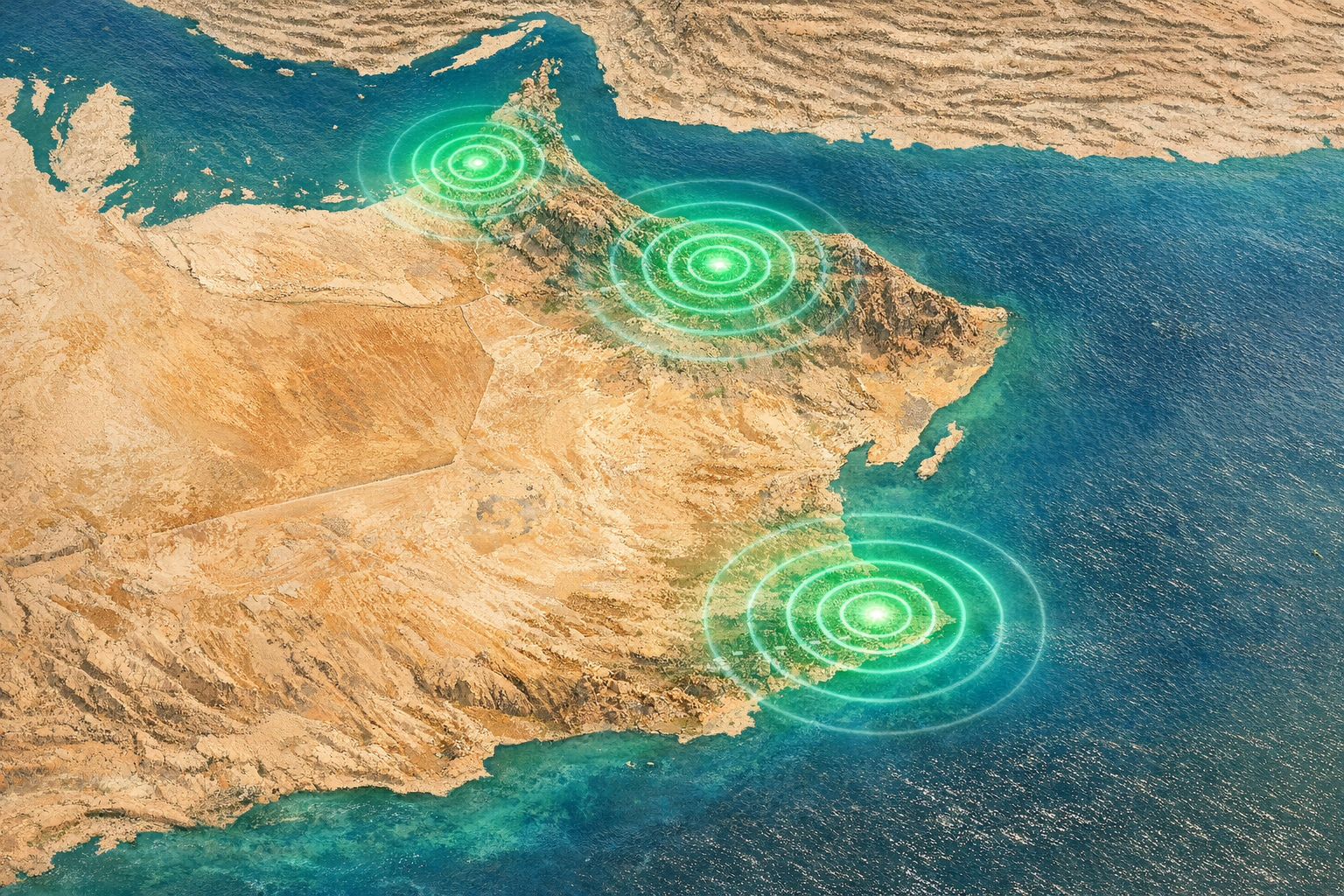
Urban areas present a paradox in mobile coverage: they are simultaneously the regions with the most infrastructure and the most complex signal environments. Oman's cities — most notably the Greater Muscat area, Sohar, Nizwa, Sur, and Salalah — concentrate the majority of the country's telecommunications towers and base stations.
In dense urban environments, buildings both help and hinder coverage. Tall structures can block direct signals, creating "urban canyons" where the phone must rely on reflected signals from multiple surfaces. However, the high concentration of towers in cities means there are usually multiple overlapping coverage sources, reducing the impact of any single obstruction.
Indoor coverage is another consideration unique to urban settings. While outdoor signals in cities are generally strong, signal penetration through thick concrete walls, underground car parks, and large commercial buildings can reduce reception quality. Multi-storey buildings also experience floor-dependent variation in signal strength.
Muscat represents the gold standard for Oman's urban coverage. The capital's major districts — Al Khuwair, Al Mouj, Madinat Qaboos, Wadi Kabir, Muttrah, and Ruwi — are served by dense networks of towers ensuring broad indoor and outdoor coverage across all generations of mobile technology.
Key insight: Urban coverage in Oman's major cities is generally excellent for outdoor use. Indoor reception can vary based on building materials and floor level, but is typically sufficient for standard usage.
- Dense tower networks provide overlapping coverage
- Tall buildings can create localised signal shadows
- Indoor coverage varies by building construction
- Multi-generational networks (2G/3G/4G/5G) co-exist
- High data traffic areas may experience congestion